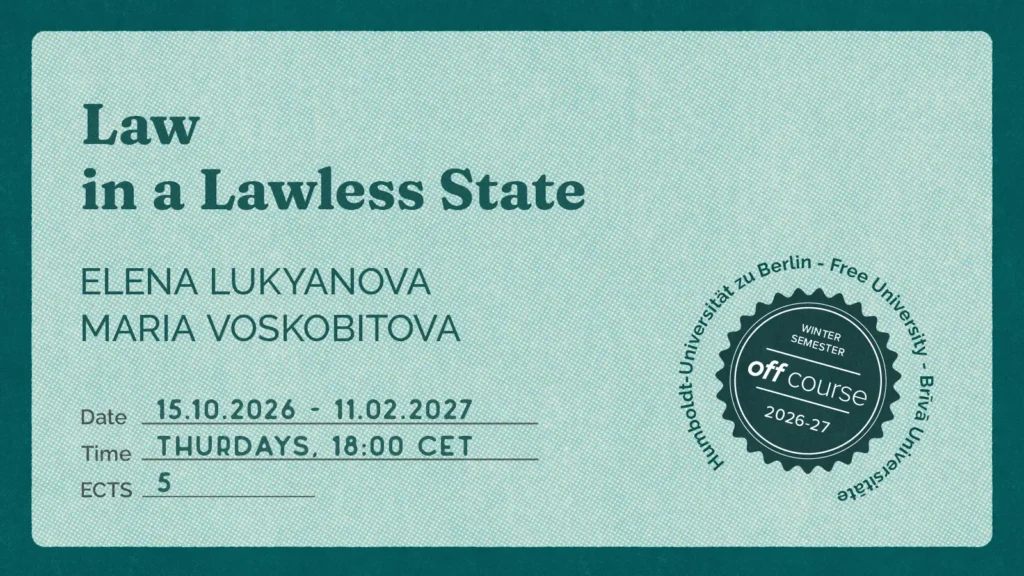
Law in a Lawless State
Elena Lukyanova, Maria Voskobitova
Overview
The course “Law in a Lawless State” examines the gradual transformation of law, legal institutions, and governance in contemporary Russia. It considers law through the lens of democratic backsliding, authoritarian legalism, the erosion of the rule of law, and the impact of war on legal and political institutions during the last 5 years. Through interdisciplinary analysis by leading scholars and practitioners, students will critically assess how law operates in an increasingly restrictive political environment. They will also explore what this reveals about state power, governance, and civic space in Russia today. The course focuses on recent and ongoing developments, providing participants with an evidence-based understanding of how constitutional reform, legislation, judicial institutions, human rights, electoral processes, media regulation, federalism, and criminal justice have changed in response to broader political developments.
In a period of heightened geopolitical tensions and profound shifts in European security, understanding Russia’s legal and political system is increasingly important for European audiences. Russia’s domestic developments shape regional stability, human rights conditions, international law, migration, sanctions policy, and relations between European institutions and neighboring states, making informed analysis essential for policymakers, civil society actors, legal professionals, educators, and engaged citizens alike. Combining legal, political, and socio-historical perspectives, the course is designed for participants seeking a nuanced, up-to-date understanding of the role of law in Russia’s evolving political system and of the broader implications for democracy, human rights, European security, and the international legal order.
The seminar is organized in cooperation between Humboldt-University, Off University and Free University/Brīvā Universitāte under the auspices of the Eastern Academic Alliance and Project 2022 (financed by the European Union).
Learning Outcomes
A general understanding of:
- The transformation of Russia’s constitutional and legal system since 1991, including the development of key state institutions, constitutional amendments, federalism, and the relationship between formal legal rules and political practice.
- The evolution of rights, freedoms, and political participation in post-Soviet Russia, including electoral processes, political parties, freedom of expression and assembly, the legal profession, and the role of law in the consolidation of authoritarian governance.
- Russia’s interaction with international and European legal frameworks, including the relationship with the Council of Europe and the European Court of Human Rights, and the use and misuse international law in Russia’s domestic and foreign policy.
The skills to be gained upon active participation:
- Analyze and critically assess legal and constitutional developments in Russia in their broader political and historical context, including the gap between formal legal rules and their practical implementation.
- Interpret and compare Russian legal and institutional developments from international and European perspectives, including in relation to constitutionalism, the rule of law, democracy, human rights, and Russia’s international obligations.
- Conduct evidence-based analysis and develop arguments using primary and secondary sources, critically engaging with different academic and expert perspectives and presenting findings in written and oral form.
Course Outline
You can see and download the course syllabus below.
Instructors

Elena Lukyanova
Elena A. Lukyanova is a Doctor of Legal Sciences and Full Professor. She taught at the Faculty of Law of Lomonosov Moscow State University for 32 years and later served as Professor of Constitutional and Municipal Law at the National Research University Higher School of Economics in Moscow. From 2008 to 2013, she was a member of the Russian Civic Chamber. In 2020, she was dismissed from her position at HSE after publicly disagreeing with the increasingly authoritarian policies of the Russian authorities. She is currently Professor and Co-Rector of Free Moscow University (Brīvā Universitāte, Latvia). Professor Lukyanova is the author of more than 240 scholarly publications.
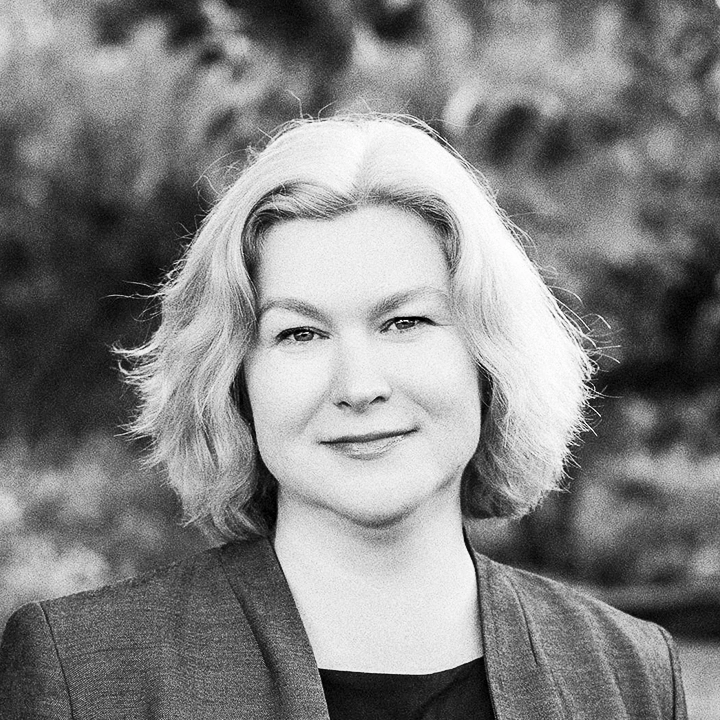
Maria Voskobitova
Maria Voskobitova holds a PhD in International Human Rights (Thesis:“Attorney’s assistance in realising the right to appeal to international human rights bodies”). She brings over a decade of academic experience as a lecturer and researcher. She has extensive expertise in international human rights standards, rule of law and sustainable development. Her work combines rigorous research with interdisciplinary teaching and has been closely linked to projects with tangible social impact. Fluent in English and skilled in experiential learning approach to education, she is committed to inclusive, student-centered teaching and well positioned to contribute to programs at the intersection of human rights, governance, and sustainability.
Invited Speakers
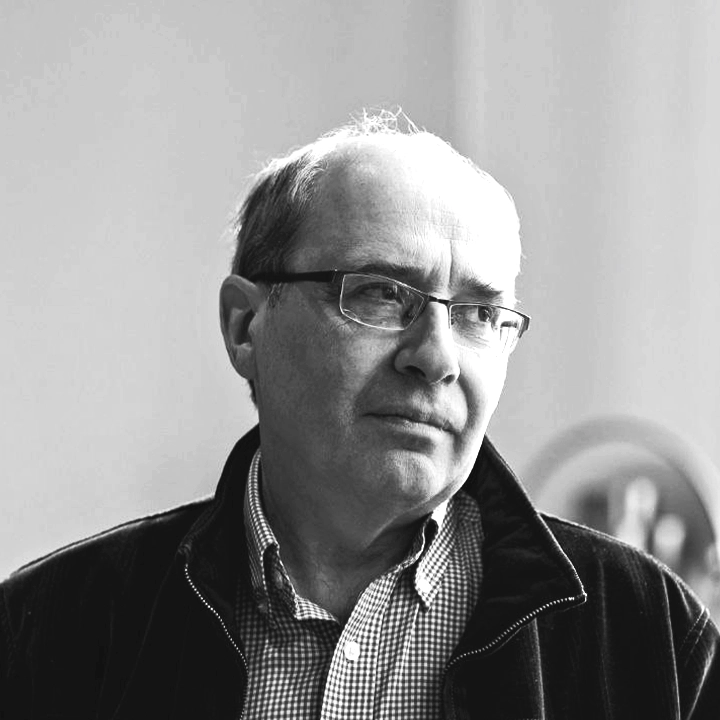
Ilia Shablinskii
Born on April 29, 1962. Graduated from the Moscow Law Institute; Doctor of Law (since 1997). Participant in the human rights movement (since the mid-1980s); member of the Moscow Helsinki Group. He was an employee of the Constitutional Commission of Russia from 1991 to 1993, a participant in the Constitutional Conference in 1993, and a member of the commission for finalizing the draft Constitution of the Russian Federation (October, 1993).
Professor at the Faculty of Law of the Higher School of Economics (Moscow) from 2000 to 2022; dismissed in March 2022 following the start of Russia’s aggression against Ukraine.
He has been living in Latvia since June 2022. He has published a number of articles on the role and status of various types of media in the Free University’s journal *Palladium*.
Irina Alebastrova
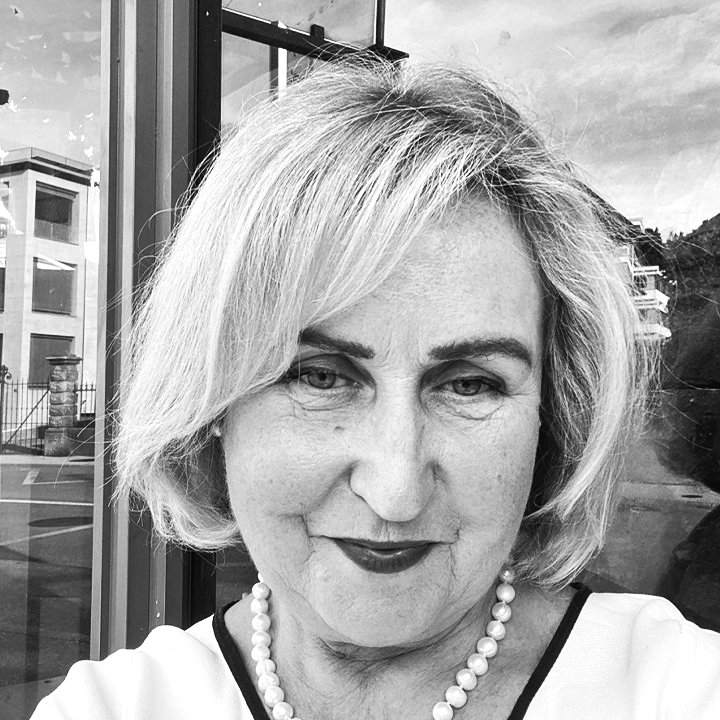
Irina Alebastrova is a Doctor of Law, Associate Professor, and expert at the Centre for Constitutional Studies. She is the author and co-author of more than 60 scholarly and educational publications, including several textbooks on the constitutional law of foreign countries and a number of monographs. Her research interests focus on constitutional law in Russia and other countries. She has extensive experience in teaching and research, as well as in legislative drafting, strategic litigation, and legal expertise.

Ekaterina Mishina
Ekaterina Mishina is a Professor at Free University/Brīvā Universitāte and a constitutional law scholar specializing in Russian constitutional law, post-Soviet transformation, legislative developments, and judicial reforms. She holds a Ph.D. from the Institute of State and Law of the Russian Academy of Sciences and has extensive experience in academic teaching and research, as well as legal and legislative expertise. She has taught at the Higher School of Economics in Moscow and held visiting professorships at the University of Michigan and FGV São Paulo Law School. Mishina has participated as a legal expert and project manager in projects supported by the World Bank, Ford Foundation, European Union, and USAID, and has authored numerous publications and expert opinions on Russian law and the system of state power..

Gleb Bogush
Dr. Gleb Bogush is a Research Fellow at the Institute for International Peace and Security Law at the University of Cologne. He is also a Guest Professor at the University of Luxembourg. Previously, he was an Associate Professor at Moscow State University and the Higher School of Economics in Russia, and a Research Fellow at the University of Copenhagen. His main area of interest is public international law, especially international criminal law and international humanitarian law.
Dmitry Dubrovskiy
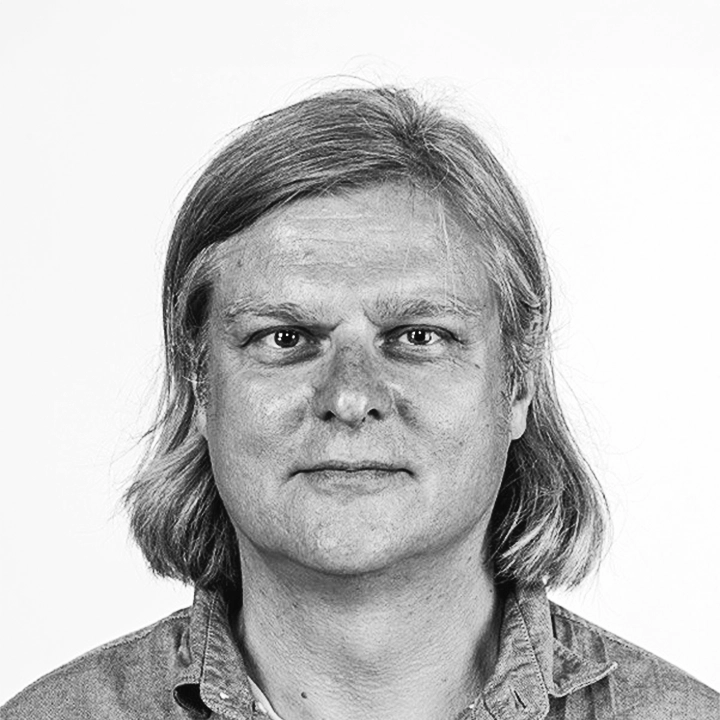
Dmitry Dubrovskiy – PhD (History) – research fellow, Department of Social Sciences, Charles University, Prague, and Center for Independent Social Research, George Washingon University, New York. His research is concentrated on the academic freedom in Russia, developments in Russian higher education, violation of academic rights. April 2022, he was declared ‘foreign agent’.
Alumni of Saint Petersburg State University (History) and European University at St. Petersburg (Ethnology) he was founder of the first human rights program for non-lawyers at Smolny college of liberal arts and science, teached in the numerous universities, including Columbia University, Bard College, Witwatersrand University.
Previously he was OSA Blinken Fellow (2025), IIE-SRF fellow at Harriman institute, Columbia University (2015-2017), Kone Fellow at the Helsinki Collegium of Advanced Studies (2011, 2020), Galina Starovoitowa Fellow at Kennan Institute, Woodrow Wilson Center (2007/2008), Reagan-Fascell Fellow in National Endowment for Democracy (2015).
Dmitry Oreshkin
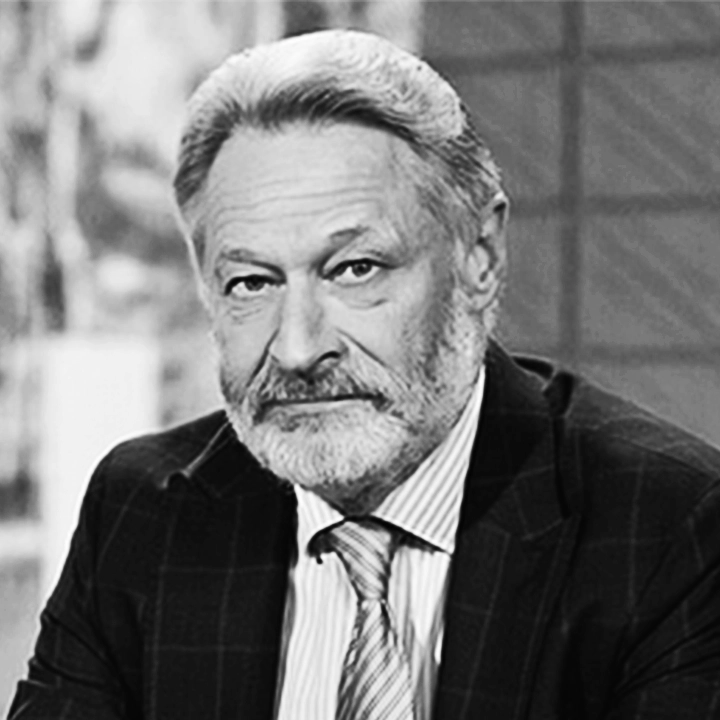
Dmitry Oreshkin is a political scientist and political geographer, holding a Ph.D. in Geography, and one of Russia’s leading experts in electoral geography and election analysis. He worked for more than 25 years at the Institute of Geography of the USSR Academy of Sciences and later co-founded the Mercator analytical group, specialising in mapping and modelling regional and electoral processes. From 2009 to 2012, he served on the Council for Civil Society and Human Rights under the President of the Russian Federation, where he was responsible for electoral issues. He resigned in protest against the policies of the Russian authorities. He is the author of numerous publications on voting patterns and political behaviour in Russia’s regions and is a frequent expert and commentator in Russian and international media.
Anna Karetnikova
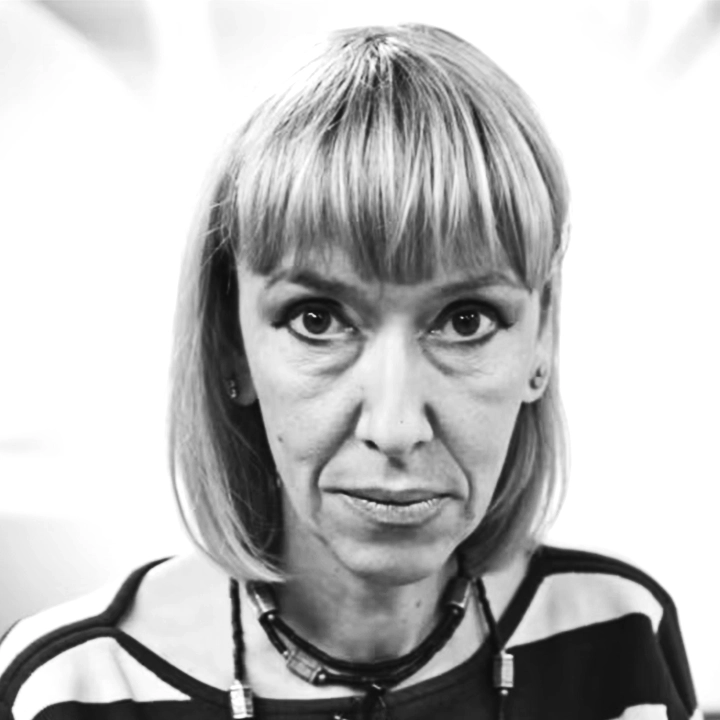
Anna Karetnikova is a lawyer, writer, and human rights expert specializing in Russia’s penitentiary system and the rights of prisoners and pre-trial detainees. She graduated from the Faculty of Law of Lomonosov Moscow State University and the Maxim Gorky Literature Institute. She worked for many years with the Human Rights Center Memorial and served for three terms as a member of the Moscow Public Monitoring Commission overseeing places of detention. She subsequently worked for six years as a leading analyst at the Moscow Department of the Federal Penitentiary Service, inspecting detention facilities and providing legal and humanitarian assistance to detainees and prisoners. Since 2023, she has lived in France and works with Memorial’s Support for Political Prisoners project. She is also a lecturer at Free University/Brīvā Universitāte, where she teaches courses on Russian penitentiary law and support for pre-trial detainees. She is the author of detective novels and books on the Russian prison system.
Certification
This course is hosted by Humboldt-Universität zu Berlin, Department of Social Sciences and certified with 5 ECTS upon successful completion.
Please check the course requirements from the course syllabus and inform your instructor(s) about your request to receive a certificate for this course.
You will find the full syllabus on Moodle course page.
At the end of the semester, the instructors will inform the learning designer about your request and grade. The certificate will be prepared with the university secretariat and it may take up to 8 weeks.
Registration
Our courses are held on a digital learning platform, Moodle. Before you create your account on Moodle, we have some notes for your and others’ digital security.
- When you register, you can use a nickname. Nicknames with offensive, racist or sexist undertones will not be accepted.
- Communication outside of the platform is not private. It is a solidarity action with people who would like to stay anonymous for different reasons. Please use our secure platform to communicate with others and respect their choices of communication channels.
- We aim to create an inclusive learning environment with our participants and educate ourselves in a more inclusive language. Be eager and tolerant to learn from each other and challenge any discriminating language. You can have a look at it here.
Creating a new account and registering to a course on Moodle
1. The link will take you to the Off University Moodle homepage.
2. Click the “Log in” button on the top right side of the page.
If you have an account on Off University Moodle, please login and continue from step 7 below.
3. Scroll down to see “Create new account” and click the button.
4. Please fill in the fields marked as *required.
You can use false information to protect your identity and increase your safety. You can enter a nickname, a false email address that resembles the format, such as name@example.org etc. Please note down your user name and password in a safe place.
5. Once you created your account, please wait until the next working day to continue.
Your account needs activation which will be done by Off University. We will need some time to activate your account. This can take up to 24 hours on weekdays and longer on weekends.
6. Please login to check whether your account it active. Once you can login, you will find the available courses on the home page of Moodle and will be able to register by clicking the course title.
7. You can now discover the course page. The first item on the page, General, contains the syllabus and the announcements. Please follow these announcements to stay up to date about your course.
Course Details
Duration
15.10.26 – 11.02.27
Time
Thursdays, 18:00 CET
Credits
5 ECTS
Language
English – Russian
Host Institution
Humboldt-Universität zu Berlin,
Department of Social Sciences
Registration:
Supported by: